Sandy vs. Draper: Picking the Perfect East Bench Suburb
Sandy and Draper are two of the most popular east-side suburbs on the Wasatch Front, and it is easy to see why: both sit against the mountains with strong schools and every amenity you could want. The choice between them is subtle but real, and it usually comes down to how you feel about established neighborhoods versus newer development, and how much elevation you want under your doorstep.
What's in this guide
Geography and the Views
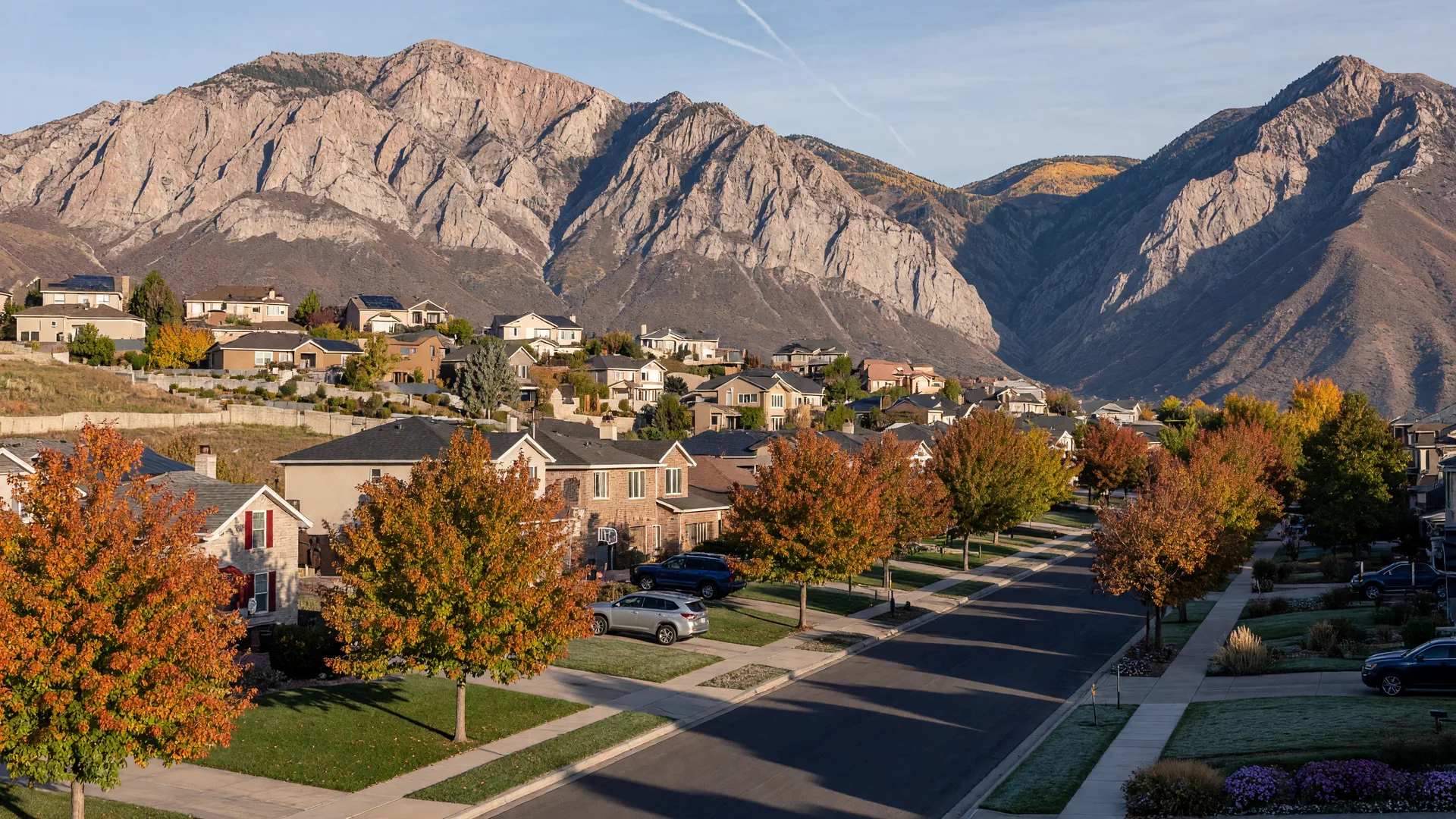
Geography is where this comparison starts, because both cities are defined by their foothills. Sandy has the longer history, with mature neighborhoods that have been filling the east bench for decades. Its streets are lined with established trees, older homes sit happily next to newer remodels, and the city has a settled, complete feel. If you want a neighborhood that has been growing and maturing since the 1970s and 80s, Sandy is the classic answer.
Draper is the newer sibling, and its geography is dramatic. The city climbs onto the bench at higher elevation than Sandy, which means bigger views: sweeping panoramas of the whole Salt Lake Valley to the north and west, and the Wasatch peaks directly overhead. Much of Draper's housing has gone up in the last couple of decades, so the neighborhoods are newer, the streets are wide, and the mountain backdrop feels closer than anywhere else in the valley. The trade-off is that higher elevation also means more winter snow at the top of the bench and steeper roads in the foothill communities.
Mountain access is superb from both. Sandy residents are minutes from the mouth of Little Cottonwood Canyon, the gateway to Snowbird and Alta, and Big Cottonwood Canyon is close by as well. Draper sits right against Corner Canyon, whose trail network and equestrian center anchor the east side, and the Wasatch foothills behind Draper feed into the same canyon country. Whichever you choose, weekend powder or trailhead traffic is a short drive, not a project.
Housing and Cost
The housing picture is a relative one, and it follows the geography. Sandy offers a wide range of established homes: post-war bungalows in the older west-side neighborhoods, classic 80s and 90s suburbia across the middle of town, and newer construction along the east bench and near the canyons. That variety means Sandy can fit a genuinely wide range of budgets and styles, from starter-sized homes to large foothill properties with mountain views.
Draper skews newer and, in relative terms, often carries a premium. Most of its inventory is newer construction built during the city's big growth years, homes tend to sit on larger bench lots, and the combination of elevation, views, and newness keeps prices at the upper end of the suburban range. It is a city of impressive homes with impressive prices to match, though pockets of the west side remain more attainable.
Neither city is cheap by national standards, and both follow the Wasatch Front's broader pattern of rising values. The honest framing is that Sandy gives you more range and more attainable entry points, while Draper tends to trade newness, elevation, and view for a higher price tag. Compare actual neighborhoods in the same week, because bench lots with views carry a premium in both cities.
The Commute
Commuting is where Sandy and Draper play different roles in the valley. Sandy sits in the middle of the southern Salt Lake Valley with I-15 access at its west edge, and it also has TRAX light rail service, so getting downtown or to the airport without a car is a genuine option. For workers based in Salt Lake City, Sandy's position and transit options make it one of the easiest suburban commutes around.
Draper anchors the south end of Salt Lake County, right at the Point of the Mountain. That puts it a bit farther from downtown Salt Lake, but it is dramatically well placed for the fastest-growing commute in the region: the tech corridor of northern Utah County. Lehi's Silicon Slopes campuses are minutes from Draper's south side, which is why Draper has become a favorite for tech commuters who want to live in Salt Lake County and work in Utah County. FrontRunner also stops in Draper for rail commuters heading north or south.
The practical summary: Sandy is the better bet for Salt Lake City-centric commutes, Draper is the clear winner for the Silicon Slopes crowd, and both handle typical Wasatch Front traffic about as well as anywhere can. Pick the city that shortens the trip you will make five days a week.
Honest advice:
The I-15 stretch between Draper and Lehi moves fast when it moves, and stops dead when it does not. If your job is in Utah County, test the southbound evening run once before you decide.
Amenities and Lifestyle
Amenity-wise, these two cover each other's gaps so well that many residents simply use both towns. Sandy has the Shops at South Town, the largest enclosed mall in the state, and sits near Rio Tinto Stadium and regional sports facilities, so concerts, soccer, and tournaments are part of the local rhythm. Its parks are mature and plentiful, and the city throws a full calendar of community events through the year.
Draper's lifestyle leans hard into the outdoors and the newer suburban model. Corner Canyon is the centerpiece, with a world-class network of mountain biking and hiking trails plus an equestrian center, and the city has become famous among cyclists for the climbs right out of the neighborhood. Newer community parks, trailheads, and open space preservations dot the bench, and the retail along the freeway corridors is convenient and modern.
Family life is excellent in both: good parks, strong recreation programs, and safe, well-serviced neighborhoods. Sandy feels more established and central, Draper feels newer, higher, and quieter on its bench. Neither is a compromise in the ways that matter most to families, which is exactly why both stay at the top of so many relocation lists.
Schools and Districts
As public services, both cities are served by districts with strong reputations, and the assignment depends on your exact address. Sandy is in the Canyons School District, which formed when voters split from the old Jordan District, and it covers Sandy, Draper's northern slices in some cases, and much of the southeast part of the valley. Draper is largely in the Alpine School District, which is based in Utah County but stretches into the south bench of Salt Lake County. Boundary lines between the two run right through the Draper area, so the assigned district for a specific street can differ from the one across the road.
That makes the practical advice simple: always check the district boundary for the exact address. Both districts support strong schools, and families routinely report good experiences across the board, but the specific school your children attend is decided block by block, not by city. Ask the district, verify the address, and then let the programming, commute, and neighborhood feel make the final call.
Quick Answers: Sandy vs. Draper FAQ
Is Draper more expensive than Sandy?
In relative terms, yes, Draper tends to carry a premium because of its newer inventory, larger bench lots, and dramatic views, while Sandy has a wider range from older established homes to newer builds. Both follow the same Wasatch Front market, so compare specific neighborhoods in the same week.
Which has better schools?
Both are served by respected districts: Sandy in Canyons and much of Draper in Alpine, with boundary lines running right through the area. The real answer is address-specific. Verify the district boundary and assigned school for the exact home you are considering rather than choosing by city name.
Which is better for tech commuters?
Draper, clearly. It sits at the Point of the Mountain with direct reach south to the Lehi and Silicon Slopes campuses, plus a FrontRunner station for rail commutes. Sandy leans better for Salt Lake City-based work, with TRAX and a more central position.
Which has better canyon access?
Both are exceptional. Sandy is minutes from Little Cottonwood and Big Cottonwood canyon mouths, ideal for skiers heading to Snowbird and Alta. Draper sits against Corner Canyon with its famous trail network. Your favorite sport decides the winner: skiing to the north, biking on the bench.
Which is better for families?
Honestly, both. Sandy offers established schools, mature parks, and central convenience; Draper offers newer homes, quieter bench streets, and the Corner Canyon outdoors. Family life is excellent in either, so the assigned school and the neighborhood feel usually decide it.
Choosing between Sandy and Draper?
Utah's communities welcome everyone, and the right suburb is the one that fits your commute, your budget, and your weekends. If you are weighing specific Sandy and Draper neighborhoods, I would love to help you sort through them with straight, local perspective.
Reach Out